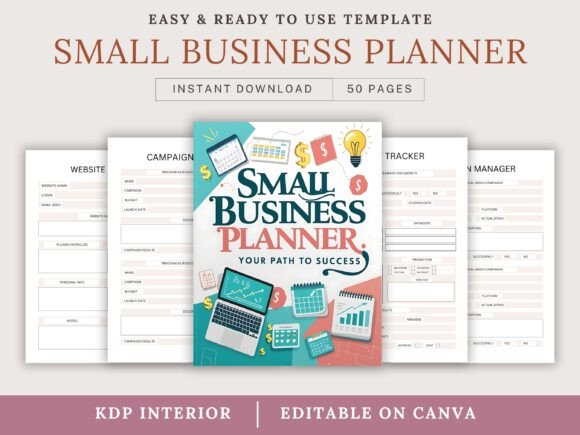
Small Business Planner: A Strategic Tool for Entrepreneurs
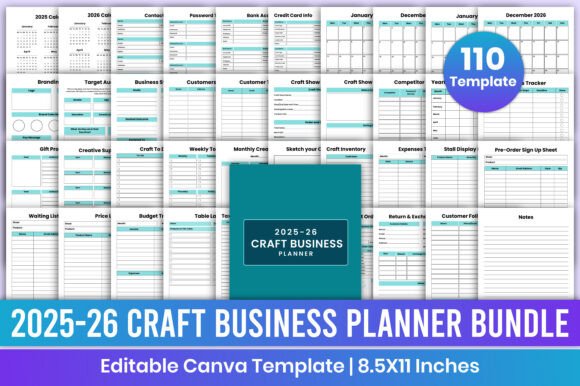
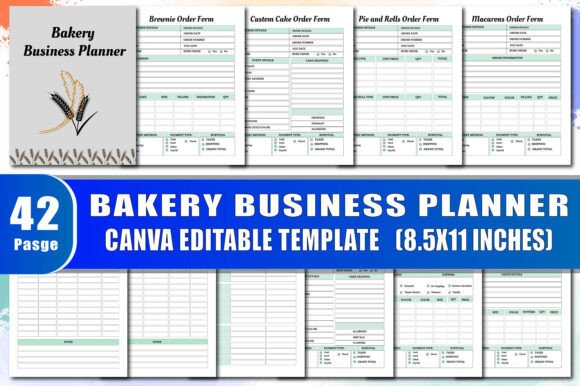
The Small Business Planner is a comprehensive resource designed to support entrepreneurs at every stage of their business journey. It serves as a structured approach to planning, execution, and growth, helping business owners navigate the complexities of running a successful enterprise. By integrating strategic planning tools, market insights, and practical guidance, this planner empowers users to make informed decisions and stay focused on long-term objectives.
Whether you're launching a new venture or refining an existing one, the Small Business Planner fits into a broader process that includes goal setting, resource allocation, and performance evaluation. Its value lies in its ability to streamline operations, enhance financial management, and optimize marketing efforts—key components that contribute to sustainable success.
How to Use the Small Business Planner in Different Phases
The versatility of the Small Business Planner makes it applicable before, during, and after various business activities. Before starting a project, it can help outline goals, identify potential challenges, and establish a clear roadmap. During execution, it acts as a reference point for tracking progress and adjusting strategies as needed. After completing a task or initiative, it provides a framework for evaluating outcomes and learning from experiences.
This planner is also useful when making important decisions, such as purchasing new equipment, expanding your team, or entering a new market. It offers a systematic way to assess options, weigh risks, and align choices with overall business objectives. In creative processes, it helps maintain focus and ensure that all elements of a project are aligned with the desired outcome.
Integration with Other Tools and Resources
The Small Business Planner works well alongside other tools and resources that entrepreneurs use daily. For instance, it complements project management software by providing a high-level overview of business goals and timelines. It also integrates with financial tools, allowing users to track expenses, forecast revenues, and manage budgets more effectively.
When used in conjunction with market research platforms, the planner helps interpret data and translate insights into actionable strategies. It also supports collaboration by offering a shared reference for team members, ensuring everyone is on the same page regarding priorities and expectations.
Practical Implementation Tips
To get the most out of the Small Business Planner, start by defining clear objectives. Whether it's increasing sales, improving customer satisfaction, or expanding your product line, having specific goals will guide your planning efforts. Break these goals into smaller, manageable tasks and use the planner to track each step of the process.
Another effective strategy is to review the planner regularly. Set aside time each week to update progress, identify obstacles, and adjust plans as needed. This habit ensures that your business remains agile and responsive to changing conditions.
For teams, consider using the planner as a collaborative tool. Share access with key stakeholders and encourage input from different perspectives. This not only improves the quality of planning but also fosters a sense of ownership and accountability among team members.
Workflow Examples and Observations
One common use case involves launching a new product. The Small Business Planner can help outline the steps required, from initial research and development to marketing and distribution. It allows you to set deadlines, allocate resources, and monitor performance against key metrics.
In a marketing campaign, the planner can be used to define target audiences, select appropriate channels, and measure the effectiveness of different tactics. By documenting these details, you create a blueprint that can be referenced throughout the campaign and used for future improvements.
For small business owners managing multiple projects, the planner can serve as a central hub for organizing tasks, prioritizing work, and maintaining consistency across initiatives. This reduces the risk of oversight and ensures that all aspects of the business receive adequate attention.
Factors to Consider for Effective Use
Preparation is essential when using the Small Business Planner. Take time to gather relevant information, such as financial data, market trends, and competitor analysis. This foundation will help you make informed decisions and avoid assumptions that could lead to missteps.
Compatibility with existing systems is another important factor. Ensure that the planner can be easily integrated with your current tools and workflows. If necessary, look for customization options that allow you to tailor the planner to your specific needs.
Usability is also key. Choose a format that suits your preferences, whether it's a digital document, a printable version, or a combination of both. The planner should be easy to navigate, visually organized, and accessible whenever you need it.
Long-Term Benefits of Using the Small Business Planner
Consistency is one of the greatest advantages of using the Small Business Planner over time. Regularly updating and referring to it helps maintain a disciplined approach to business management. This consistency leads to better decision-making, improved efficiency, and stronger overall performance.
Quality control is another benefit. By following a structured planning process, you reduce the likelihood of errors and ensure that all business activities meet established standards. This attention to detail enhances credibility and builds trust with customers and partners.
Finally, the planner supports long-term growth by encouraging continuous improvement. As your business evolves, the planner can be adapted to reflect new goals, strategies, and challenges. This flexibility ensures that it remains a valuable asset throughout the life of your business.
Conclusion: Embracing the Small Business Planner
The Small Business Planner is more than just a document—it's a dynamic tool that supports the entire lifecycle of a business. By incorporating it into your workflow, you gain a powerful resource for planning, executing, and refining your business strategies. Its practical features, combined with its adaptability, make it an essential component for any entrepreneur looking to achieve sustainable success.
Whether you're just starting out or looking to refine your current approach, the Small Business Planner offers the structure and guidance needed to stay focused, organized, and ahead of the competition. With the right mindset and consistent use, it can become a cornerstone of your business planning efforts.