Child and Adolescent Therapy: A Practical Guide for Real-World Use
Child and Adolescent Therapy is more than just a professional practice—it’s a powerful tool that helps young people navigate the complexities of growing up. Whether you're a parent, educator, counselor, or someone who works with kids, understanding how this therapy works can make a real difference in supporting their emotional and developmental needs.
Therapy for children and adolescents isn’t one-size-fits-all. It’s about creating a safe space where they can express themselves, learn coping strategies, and build resilience. But how exactly does it fit into everyday life? Let’s explore the practical ways this therapy is used across different settings and why it matters.
Where and When Child and Adolescent Therapy Comes Into Play
Child and Adolescent Therapy often comes into play when a young person is struggling with emotions, behavior, or social interactions. For example, a child who has difficulty making friends might benefit from sessions that focus on communication skills and self-confidence. Similarly, an adolescent dealing with anxiety or low self-esteem could find relief through structured therapeutic activities and guided reflection.
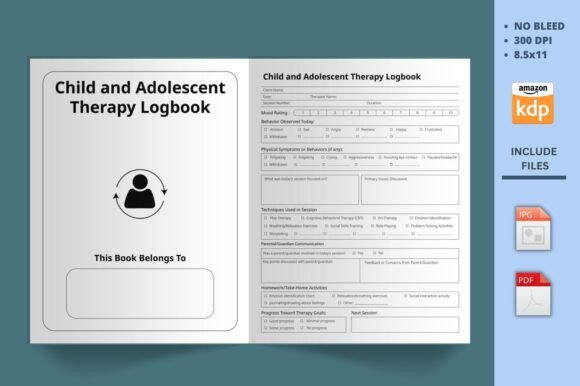
These sessions don’t always happen in a clinical setting. They can take place in schools, community centers, or even at home. The key is consistency and personalized support. That’s where tools like the Child and Adolescent Therapy Logbook become essential—they help track progress, set goals, and maintain a clear record of each session’s impact.
Realistic Use Cases Across Different Lifestyles
Imagine a teacher who notices a student acting out in class. Instead of just addressing the behavior, they might collaborate with a therapist to create a plan that supports the child’s emotional growth. The logbook can be used to document observations, note changes in behavior, and track the effectiveness of interventions over time.
For parents, therapy can be a way to understand their child’s challenges better. If a teenager is withdrawn or resistant to communication, a therapist might suggest using the logbook to reflect on daily experiences and identify patterns. This approach can help both the child and the parent feel more connected and supported.
Entrepreneurs or small business owners who work with youth programs might also find value in therapy tools. By integrating structured tracking methods, they can ensure that their services are effective and measurable. This not only improves outcomes but also builds trust with clients and stakeholders.
How Different Users Benefit From Therapy
Every user of Child and Adolescent Therapy brings a unique perspective. A counselor might use the logbook to keep detailed notes on each session, ensuring they stay focused on the client’s progress. A school counselor could use it to monitor long-term development and share insights with parents or other professionals.
Even hobbyists or educators who run workshops for kids can benefit from structured tracking. For instance, a youth mentor leading a group activity might use the logbook to assess how participants are responding to different exercises. This helps them adjust their approach and provide more meaningful support.
The logbook isn’t just for professionals. Parents can use it to track their child’s milestones, such as improved confidence or better emotional regulation. It becomes a personal tool for reflection and growth, helping families stay engaged in the therapeutic process.
What to Consider Before Using Child and Adolescent Therapy
Before diving into therapy, it’s important to consider the specific needs of the child or adolescent. Are they comfortable talking about their feelings? Is there a consistent support system in place? These factors can influence how effective therapy will be.
Choosing the right tools, like the Child and Adolescent Therapy Logbook, also matters. A well-designed logbook should be easy to use, customizable, and adaptable to different situations. It should help users stay organized without adding unnecessary complexity.
Another thing to think about is the environment in which therapy takes place. A safe, non-judgmental space is crucial for building trust. Whether it’s a classroom, a counseling office, or a home setting, the atmosphere plays a big role in how open a child feels during sessions.
Connecting Features to Real Outcomes
The features of the logbook—like its 120-page interior, high-resolution design, and ready-to-print format—are more than just technical details. They translate into real benefits. A well-organized logbook makes it easier to track progress over time, which can lead to more informed decisions and better outcomes.
For example, a therapist using the logbook might notice that a particular intervention is working well for a client. They can then reinforce that strategy in future sessions. Similarly, a parent might see improvements in their child’s behavior and feel more confident in continuing the therapy journey.
The logbook also encourages mindfulness and reflection. By regularly documenting thoughts, emotions, and achievements, both the child and the caregiver can gain a clearer picture of what’s working and what needs adjustment.
Why Child and Adolescent Therapy Matters
At its core, Child and Adolescent Therapy is about helping young people thrive. It’s not just about fixing problems—it’s about empowering them to build the skills they need for a healthy, balanced life. Whether it’s through play therapy, goal-setting, or emotional support, the right approach can make all the difference.
Tools like the Child and Adolescent Therapy Logbook are designed to support this process. They offer structure, clarity, and a way to measure progress. For anyone involved in the care or development of children, these resources can be invaluable.
By focusing on real-world applications and practical outcomes, we can ensure that therapy remains accessible, effective, and meaningful for everyone involved.